This post may contain affiliate links which means I may receive a commission for purchases made through links.
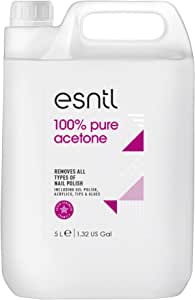
Over the years, people have become reliant on using acetone to clean several things around the home including windows and PVC. Also, this clear, colorless solvent is commonly used as a paint remover from various surfaces.
Not to forget that most car owners prefer this solvent for minor car detailing tasks. Unfortunately, acetone contains harmful chemicals that can dissolve other materials like grease, varnish, plastic, and paint. As a result, motorists are always wondering; can you use acetone on car paint? Is acetone safe to use on car paint?
Worry not! In this article, we’ll discuss whether acetone damage is safe to use on car paint, its top applications in car detailing, and how you can use it safely near car paint!
What is acetone?
Acetone is a clear, colorless highly volatile liquid solvent that can break down materials like grease, varnish, and paint. For that, it’s mainly used as the base ingredient in most nail varnish removers. You can also find it in other products such as paint thinners, cleaning solutions, adhesives, and rubber cement. More notably, it can be used in other tasks like removing grease, stubborn dirt, and sticky residue from the car’s bodywork.
The chemical formula of acetone is C3H6O and has an extremely low boiling point of 133.34 deg F (56.3 deg C). As a result, this formula can boil and vaporize at room temperature to produce a very flammable gaseous vapor, making it so hazardous to work with. However, this solvent has an extremely low viscosity compared to other common solvents like water.
Does acetone damage car paint?
Acetone contains strong chemicals that will slowly eat away and soften auto paint if you leave it on the car long enough. Luckily, this reaction takes effect in a few hours, meaning you’ve got a small window to react accordingly and reduce the damage.
Also, you can reduce the damage to your car paint by using acetone in small amounts and ensuring that you rinse it off immediately.
On the bright side, you can use acetone if you want to remove your auto paint for repainting. Similarly, you can use acetone to remove little droplets of unwanted paint on your car.
To accomplish that, put some acetone on a rag and use it to rub the surface for a few minutes until the unwanted paint starts to come off. More importantly, make sure you rinse the area with clean water to remove the acetone before it strips the car paint and causes damage.
Another thing worth mentioning is that acetone is highly flammable. Therefore, you should not smoke near the car when using acetone to remove unwanted paint from the bodywork.
Also, it’s important to clean up acetone from your car and off your skin after use to prevent any accidents. Still, on safety, acetone can be potentially harmful if you get it in your mouth/ eyes or breathe too much. So, make sure you wear protective equipment and work in an area with good airflow when using acetone.
Top uses of acetone in car detailing
Some experts use acetone to touch up paintwork when they need to get rid of any paint. Also, they use it to remove stubborn stains from the bodywork. However, using acetone isn’t recommended for car paintwork, although it can be used with caution.
For instance, once you’ve applied acetone, you must wash that area immediately and reapply a wax coating to safeguard the paintwork. Leaving the solvent on your car will eat through the car wax and paint molecules.
While acetone should not be used as a go-to product for car touch-ups, it can remove any stubborn stains in your car instantly due to its chemical build-up. For that reason, it can be used in various detailing projects such as cleaning glass windows, wheels & engine degreasing.
So, although you should avoid using acetone on car paint, you can use it for the following tasks when detailing your car;
- Wheel cleaner. Car wheels can be difficult to clean since they constantly accumulate debris and dust from the road. While you can use regular car shampoo to clean them, it will not remove all the dust build-up. However, rubbing them with acetone makes them shine right away. Just remember to thoroughly rinse off the acetone as it can erode your car tires if it is left!
- Shining mirrors & windows. If you’ve stubborn marks on your car’s windows/ mirrors, apply a few drops of acetone on a dry cloth and use it to rub the marks gently.
- Engine degreaser. Most engine degreasers contain acetone in their formula. Alternatively, you can make an engine degreaser by mixing a drop of dishwashing liquid, a gallon of water, and 3 oz of acetone.
- Tree sap remover. Hardened tree sap can be very difficult to remove from car paint. Thankfully, you can use acetone to remove the tree sap from car paint, but you have to rinse the affected area immediately after application.
How to safely use acetone on car paint
1. Find a good working area
If you remember correctly, acetone has a low boiling point of about 56.3 deg C, compared to the boiling point of water (100 deg C). Therefore, acetone will evaporate on its own at room temperature.
Moreover, the rate of reaction will become slower or faster depending on the temperature around your work area. Similarly, acetone can work faster during a humid day, thus shortening the duration of long-term exposure.
So, while this step might seem pointless, it’s important to consider the space you’re working on when using acetone. For instance, you should not use acetone in the scorching hot sun. Instead, you should look for an area with plenty of shade, usually a well-ventilated workshop/ garage.
2. Prepare your car
Use the best car wash soap to give your car a thorough cleaning before you use acetone to remove auto paint. This will allow you to clearly see the areas you need to focus on and give you a shiny clean car.
Besides, acetone can react with any impurities in the dirt buildup, causing further car paint issues. Next, use painter’s tape to protect all door handles, windows, and any part of the car with paint that you don’t want to remove.
3. Carefully use the acetone
After cleaning the car, put a small amount of acetone on a soft cloth and use it to wipe down the scratches, blemishes, or unwanted paint. Avoid scrubbing too hard since applying too much friction can damage the paintwork underneath. Next, use clean soapy water to wash the acetone off the car paint.
4. Polish the car’s exterior
Once you’ve removed everything you wanted to remove from your car’s paintwork and thoroughly rinsed the area, polish the car with a protective wax coat. This will give your car an additional protective layer to prevent further damage from minor scratches. Alternatively, you can use any water-resistant agent on the car’s exterior to achieve similar effects.
Safety tips for using acetone on car paint
If you’re planning to use acetone to remove the car paint without taking the car to a body shop or car detailer, these safety tips will help you avoid causing any damage.
1. Rinse off the acetone immediately
Since acetone evaporates at room temperature, it can be a bit tricky to see where you have applied it. Nonetheless, the acetone will cause irreparable damage to your car paint if you leave it on the surface for 12 -24 hours, even if you can’t see it. So, after using acetone, make sure you rinse the car thoroughly and consider washing it as well to completely remove acetone from its paintwork.
2. Limit the paintwork’s exposure to acetone
The longer acetone stays on car paint, the greater the damage it can cause. For that, it’s a good idea to be as quick as possible when using it on your car’s bodywork. However, avoid rubbing acetone too hard into the car paint stain as this increases the chances of damaging the underlying wax & painted surfaces. Instead, gently buff or scratch light paint stains off auto paint, and quickly wipe off the stain with acetone.
3. Use a minimal amount of acetone
Using a large amount of acetone increases the risk of damaging the car paint. To prevent this, it’s recommended that you use a small amount of acetone. Also, consider diluting the acetone with water instead of using concentrated acetone. If the diluted solution does not work, use a little amount of acetone to remove the stain from the bodywork.
4. Always work in a well-ventilated area when using acetone
Acetone puts you at risk of inhaling harmful fumes, especially if you’re working in a poorly ventilated area. Breathing these fumes can cause dizziness and headaches, or even irritate the respiratory tract.
So, make sure you work outdoors when dealing with acetone or open as many doors and windows as possible if you’re working indoors. In addition, make sure you wear proper gloves and respirator masks while working with these solvents.
Conclusion
Considering acetone is designed to break down paint, it will certainly damage your car paint if you don’t thoroughly rinse it off after use. But if you must use acetone to remove stains from your car paintwork, try using it in small amounts or dilute it with water.
Other than that, acetone is an excellent tree sap remover, window whiner, wheel cleaner, and engine degreaser!
Leave a Reply